

Constant criticism has a way of shaping, not only a person’s behavior, but even the way the brain perceives the criticism. It’s imperative to develop healthy habits that are meant for emotional regulation, especially while the brain is still in developing stages.
What Is Criticism
Prior to defining criticism, it is necessary to acknowledge that criticism is perceived differently based on certain personality traits and childhood experiences.
Perceived criticism (PC) and self criticism (SC) manifests itself differently in a person based on their personality traits, upbringing and environment. According to Oxford, criticism is “the expression of disapproval of someone or something based on perceived faults or mistakes”.
There is a complete difference between someone’s critique of you and their personal opinion. A personal opinion is not based on any form of knowledge or fact. However, criticism is thought to be an intellectual analysis with evidence to back the calculated research.
How Criticism Impacts
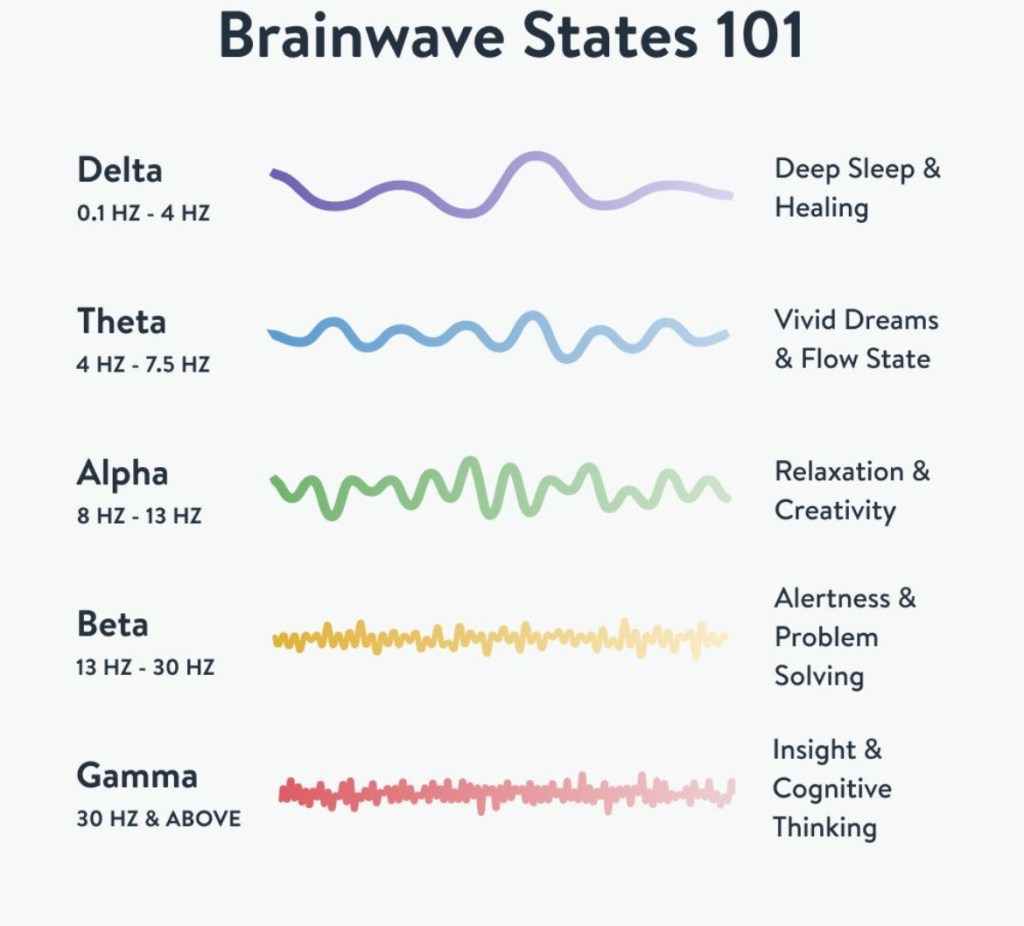
It has been documented that exposure to criticism has an immediate impact to mood. In other words, the mood shifts from positive to negative, which is communicated through brainwaves. Furthermore, it has been scientifically noted that criticism impacts the left side of the brain and not necessarily the right side of the brain. Criticism triggers the amygdala, which takes the brain from being in a relaxed state into fight or flight mode.
It has been noted that the personality trait of modesty, or humbleness, has the ability to handle a high degree of criticism. Bear in mind that this is perceived differently based on outer aspects, such as culture, proximity, and belief systems. In certain cultures, humbleness is seen as a top tier trait. Whereas, in another culture, that modesty can be viewed as a person lacking in confidence or being completely oblivious of themselves.
Keep in mind, that criticism can be healthy for impactful growth when delivered from a place on sincerity.
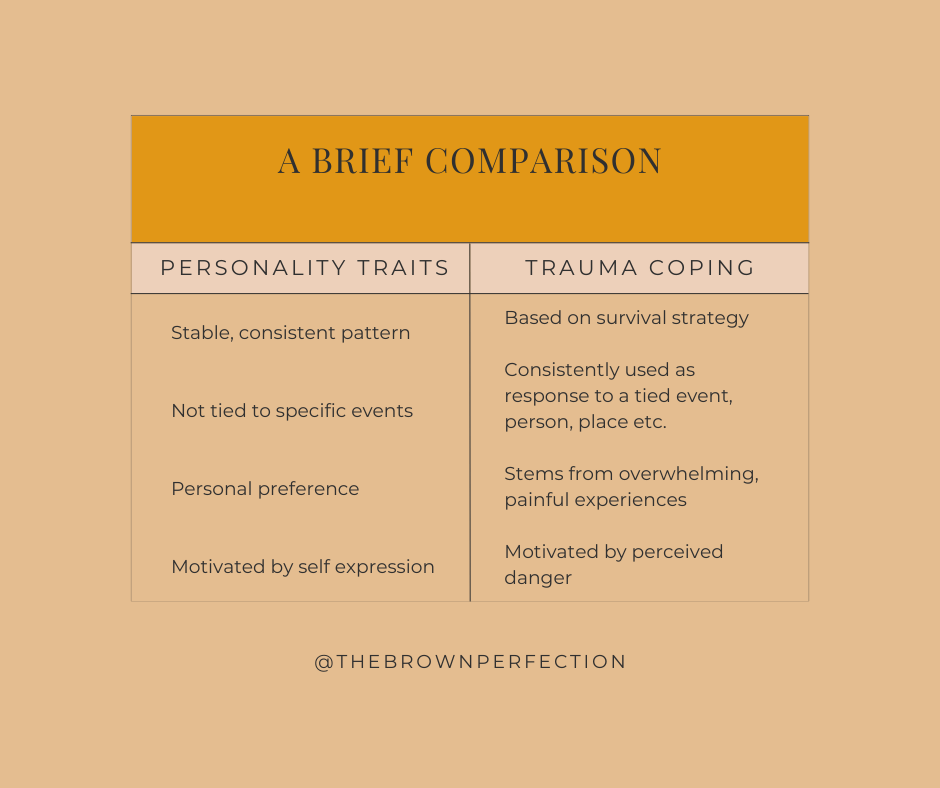
The following is meant to assist in addressing the problem immediately. It is necessary to not lean on these coping mechanisms for an extended amount of time as this may actually reinforce the problem.
To Empathy Or Not To Empathy

We all lived very different lives that lead us to process the world around us and arrive to conclusions differently than the next person. With this in mind, it is healthy to have this awareness. Empathy is just that — the ability to understand and share the feelings, thoughts, and perspectives of another person. Let’s be clear, I am not stating to forgo personal boundaries, but to remain vigilante about what has the ability to unnerve you.
Pull Back

When dealing with someone, or someone’s, that have recognized the value in remaining highly critical of you, pull back your emotional energy. Your emotional responses are the foundation that will lead to more nuanced feelings about the person, event and etc. The basic emotions are happy, sad, fear, and anger, to name a few. These can branch off into more nuanced feelings, such as content, suffering, insecure, and disgust, respectively.
Check In With Yourself

We all can get in the habit of thinking that we don’t need a moment to regroup after receiving criticism. Yes you, in fact, do need time to assess the information that you received, especially if it is a constant flow of non-stop criticism that is taking place. The most common sought after emotion focused coping strategy is that of seeking social support.
Assess The Relationship

All relationships, whether, parental, romantic, or professional, will have its highs and lows. After you have given the criticism time to process without being defensive and evaluating for valid points, it is perfectly normal to bond with the person. So long as you are comfortable and have addressed your boundaries.
[PIN THIS IMAGE AND SAVE IT FOR LATER]
 The Brown Perfection