
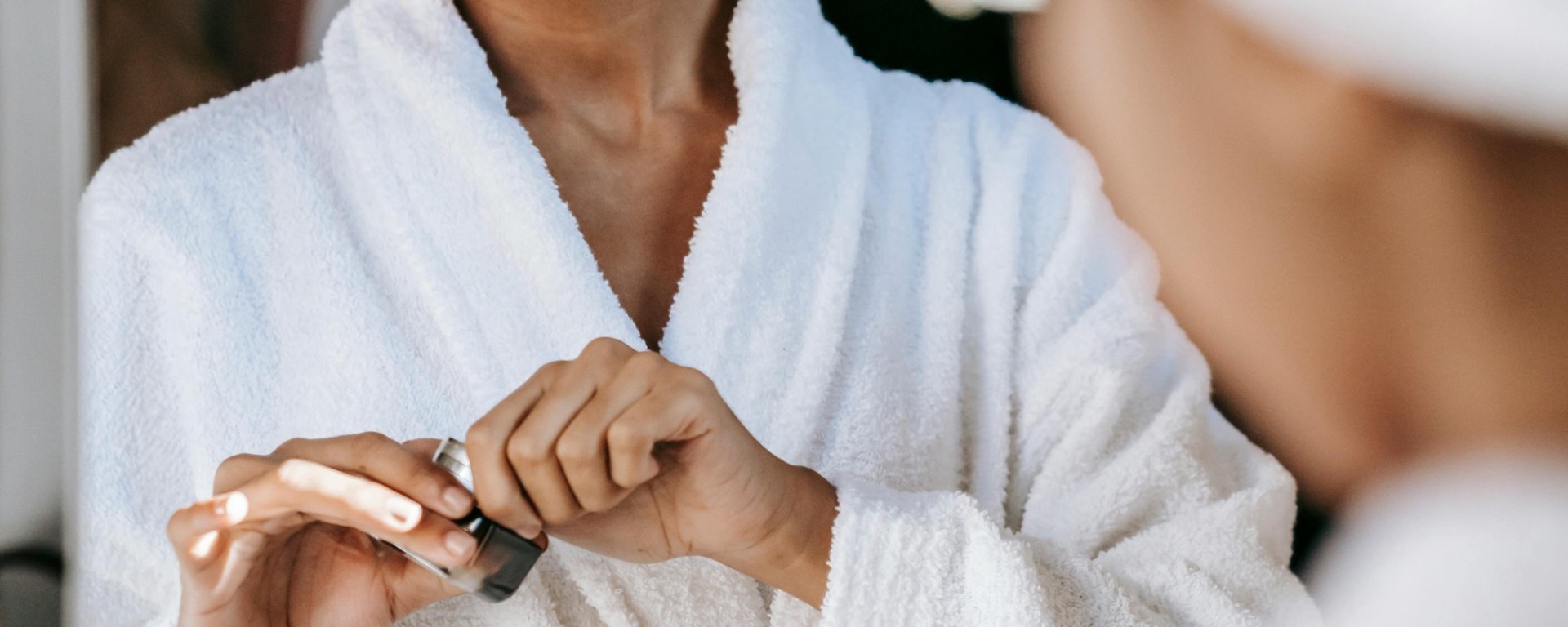
A walk into the restroom and turn on the light. Standing in the mirror at the view, then the moment of realization happens. The feeling of a skipping sensation in the chest and sudden worry rushes in with the realization that the skin barrier has been infiltrated.
Why It Is Important
The skin barrier is the primary response of defense to shield the body from the outside pathogens, germs, and allergens. The skin is the largest organ of the body, so keeping it healed and clean is necessary for overall health.
Stressors
There are many irritants and stressors that can occur to damage the skin barrier and allow unwanted changes to occur with the skin.
- Diet
- Harsh Personal Care Products
- Nickel (a common Allergic Contact Dermatitis, or ACD)
- Medications, such as antibiotics
- Uncleanliness (such as unclean intimate hair or clothing)
- Plants (such as poison ivy or toxins like urushiol)
- Work exposure (rubber gloves or tar)
Remedies
What is put into the body matters just as much as what is put on the body. Choose foods that are healing to the body, like fresh fruits and vegetables on the regular. If you are limited in selection and access to fresh produce, next move to taking supplements, such as vitamins, to circumvent that problem. Ensure you’re getting adequate water intake as well.
Become an expert of your body and its skin barrier. Be aware of your skin type and what works best for your skin. When trying new products, complete a skin test on a small area before applying all over the face/body.
Love your skin and body. A single exposure can lead to a reaction. It is perfectly fine as a woman to have multiple products that serve the same purpose. In other words, the ingredients in a face moisturizer will be different than the ingredients in a body moisturizer.
Patience is a virtue, so bear in mind that healing your skin barrier may take a couple weeks.
Hand Hygiene
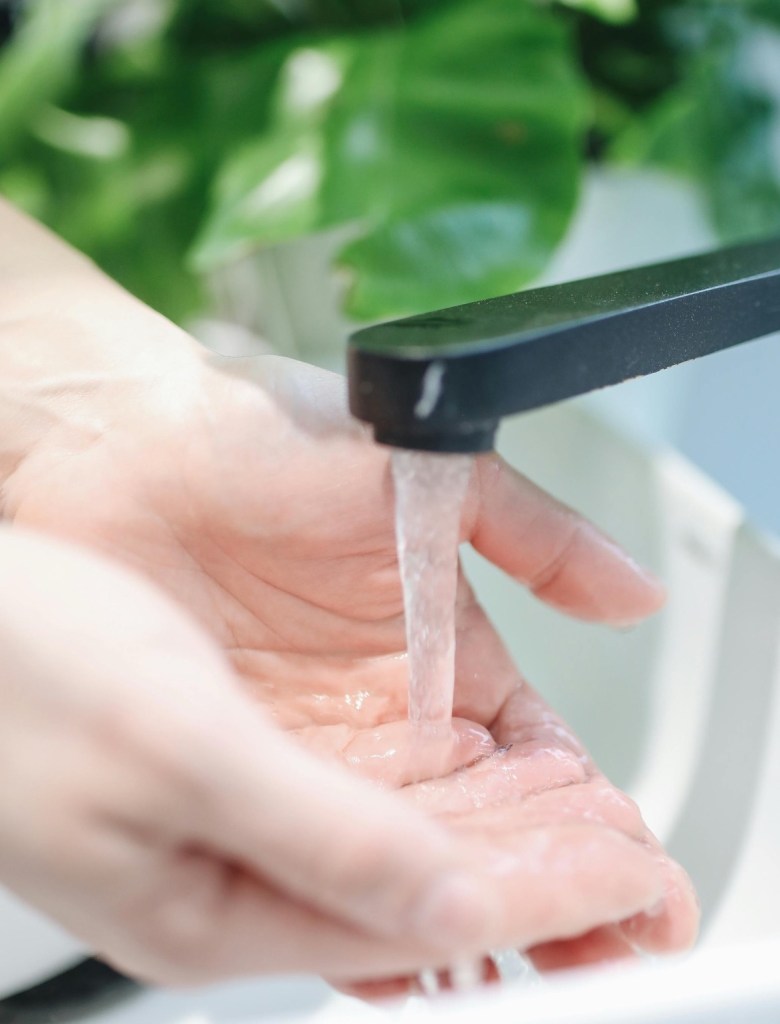
When the barrier is impacted, it is susceptible to incoming germs. There are many amazing, but expensive products to start the process of healing the skin barrier. However, the first and simplest step is to keep clean hands. Not just clean hands, hands that have been cleansed with antibacterial soap. Choose a hand soap that explicitly says, “antibacterial” on the front of it. Also, refrain from placing your hands on your skin while it is in the healing stages.
Gentle Cleanser
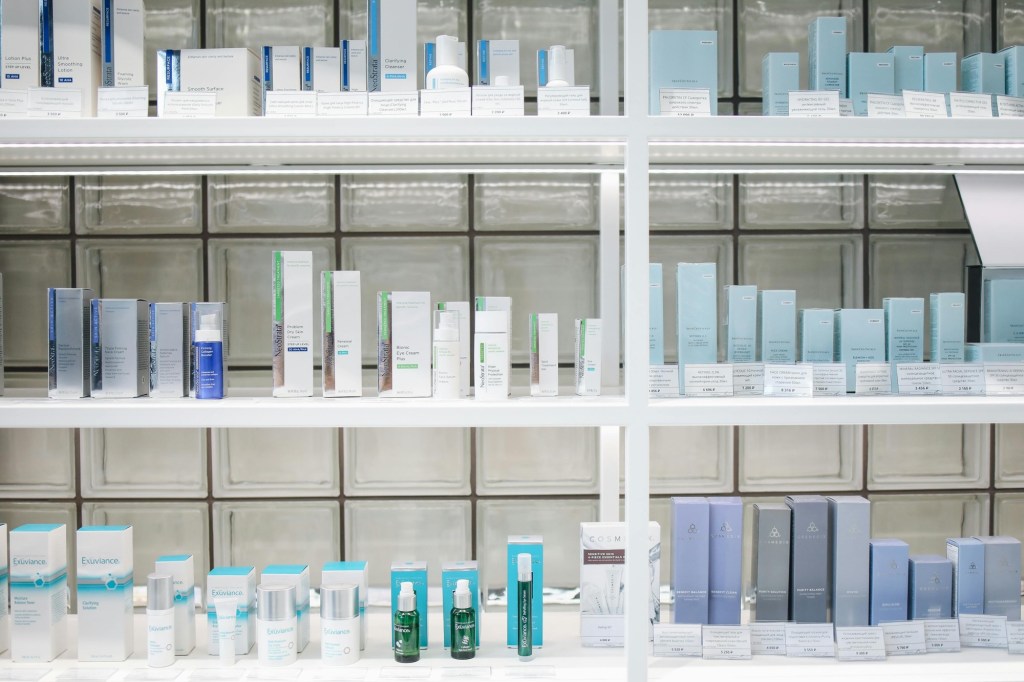
A gentle, fragrance free and pH balanced cleanser is necessary to reduce further inflammation. Stop use of all exfoliation products while it is in this repairing stage. If it is the face, know your skin type, then choose a gentle cleanser that is suitable for it. If it is the body, choose a gentle, but deep cleansing soap like a water based soap or a castile based soap.
Moisturize

The moisturizer will aid in repairing the skin barrier. A moisturizer contains ingredients like ceramide that aid in restoration. While it is healing, it creates an artificial barrier for your skin. After using a moisturizer to prevent water loss, seal in the moisture with a gel-like or gel-oil combination moisturizer. However, do not apply moisturizer to intimate areas with folded skin.
Aerate Area and Cycle Materials
If it is an area of the body that does not naturally tan (or see the sun), like your back, allow the area to aerate for a few hours after completing the skin repair routine. Also, if it is the private, intimate area of the body, cycle your washcloths. In other words, use a new washcloth everyday no matter if you are in a skin repair routine or not. Utilizing a new washcloth everyday alleviates germ exposure to the sensitive area (this is important because the intimate area has folds of skin and warmth). Lastly, wash your intimate materials (washcloths, wash towels, and undergarments) separately with a sanitizer.
Here is a list of starter items that you can have delivered: Gentle Skin Repair Product Starter List
Information on skin hygiene can be found with the CDC.
More information on skin dermatitis: eczema, contact dermatitis, and contact dermatitis.
[PIN THIS IMAGE AND SAVE IT FOR LATER]
_____________________________
Check out my Beauty section for more!
____________________________
C O N N E C T – W I T H – M E
 The Brown Perfection